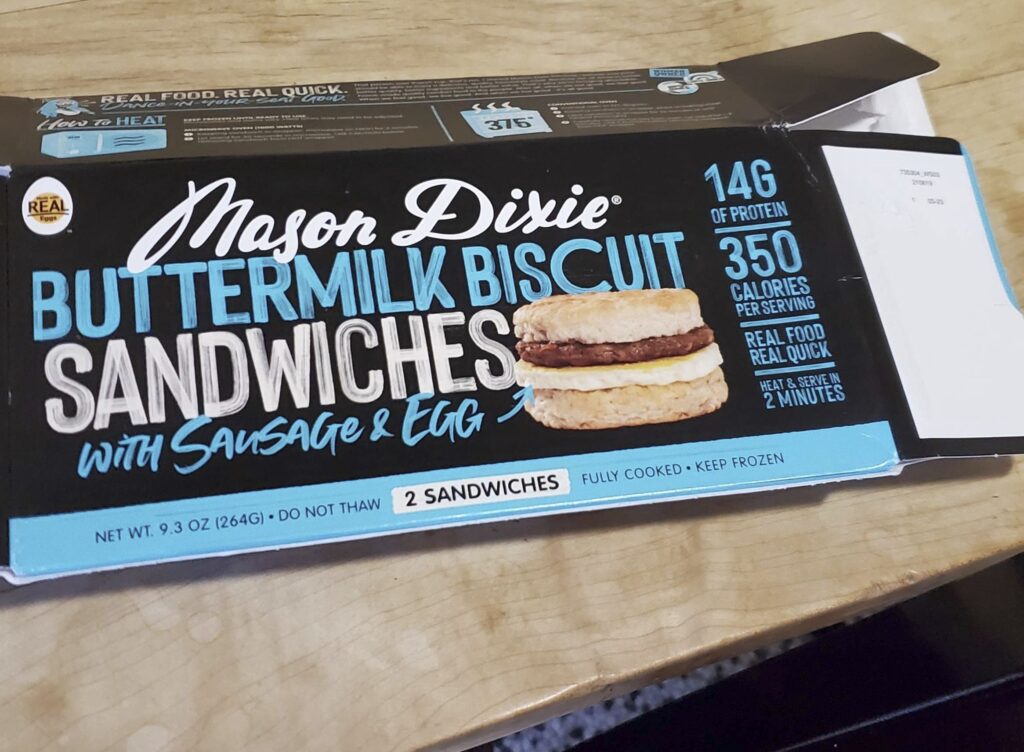
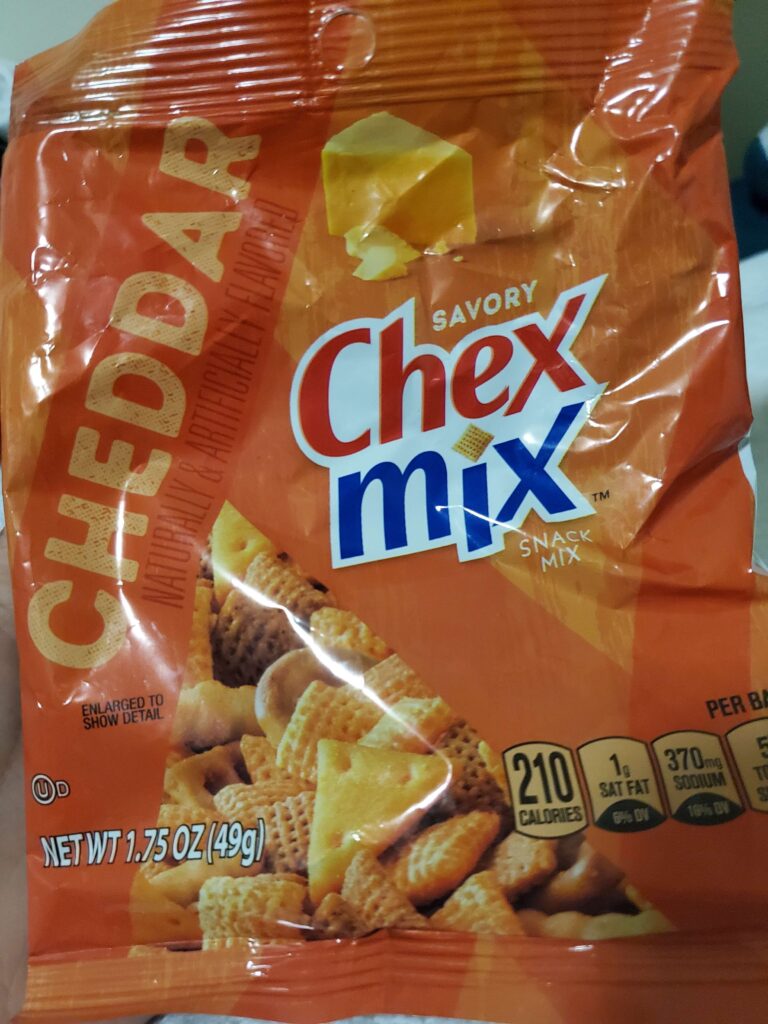
Color: What colors are used where, are they used for emphasis? Contrast? To make things more approachable? Less approachable?
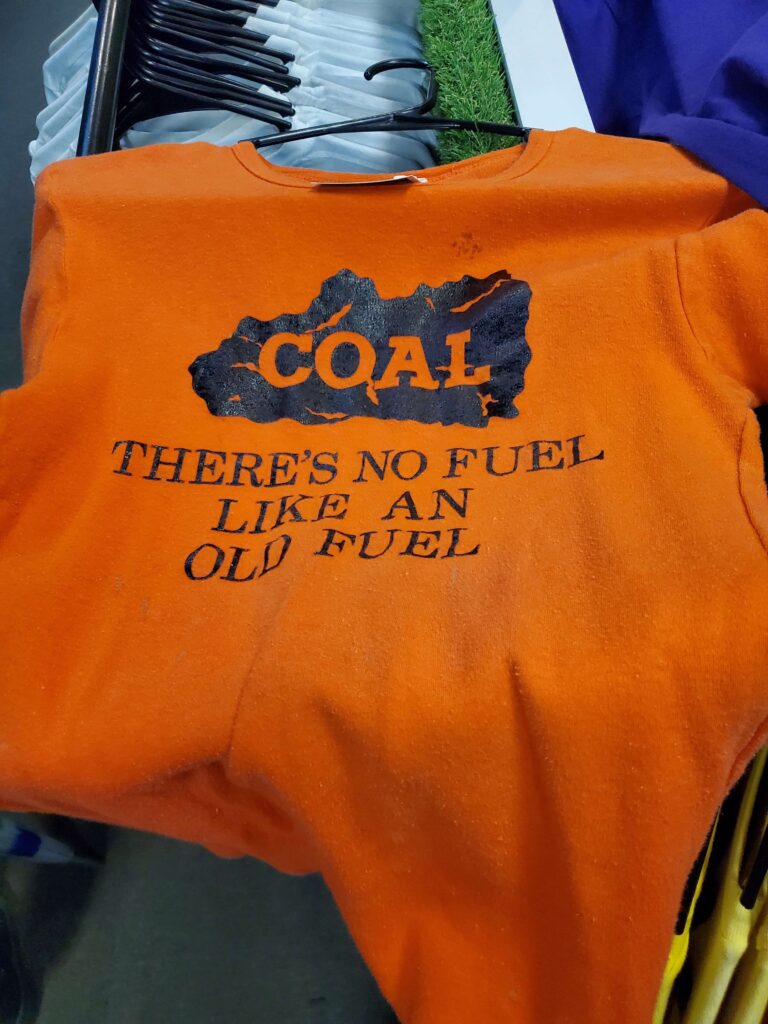
Typography: What font(s) are used, what message do they send? Is the text big and the main focus? Is it just supplementing the imagery?
Metaphors/Symbols: Images that represent something bigger than just themselves. A logo indicating a company, a red hexagon representing “STOP”, some images are associated with peace like a dove and olive branch, some are associated with healing or a specific organization like a white plus sign on red.
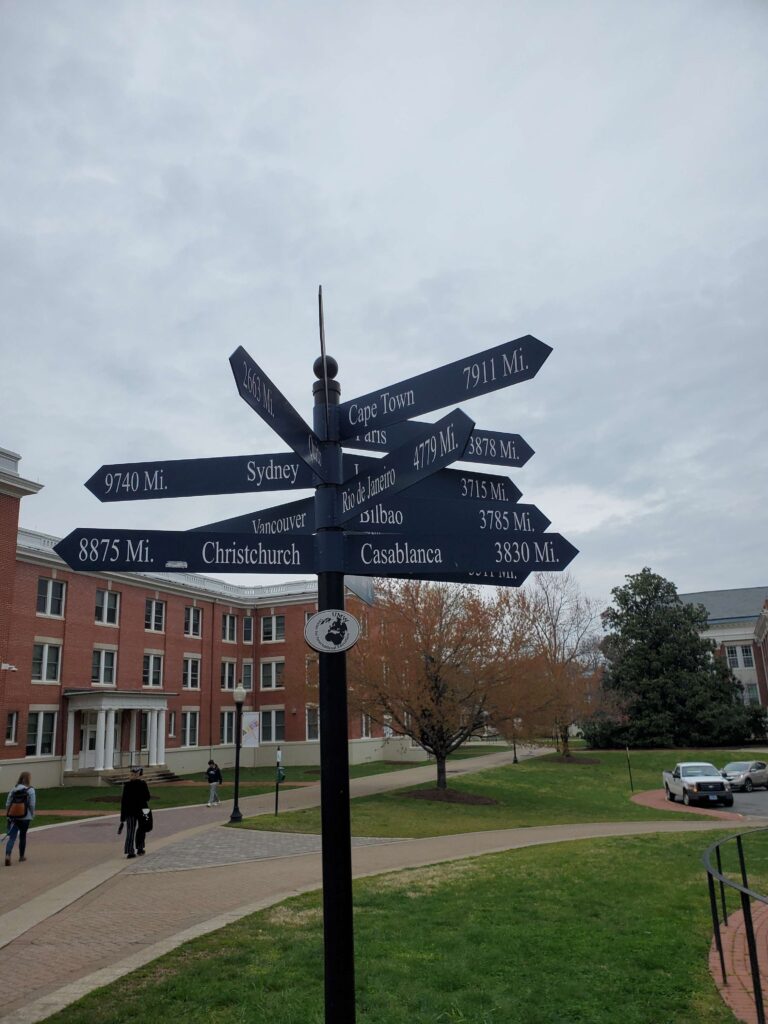
Minimalism/Use of Space: Sometimes it is better to have one design element in clear focus, without much/any distractions. Having a single element on a plain background to enhance clarity. Or positioning elements in a particular way leaving different amounts of space between them for emphasis or clarity.
Form/Function/Message: How clear is the design? Does it efficiently communicate the intended message? Does the design do what it was intended for?
Balance: Does the design feel even or does (a) certain element(s) feel more focused on while leaving a large portion of the design untouched or underdone? Does the design now feel like your eye is lingering on one part and never looking at the rest? Does the whole piece feel cohesive and like it supports the different elements?
Rhythm: Is there a clear or more subtle pattern in the design? Repetition of an element or pattern.
Proportion: How does sizing compare within the design? Are certain elements larger for emphasis? Smaller? Are pieces the same size for equality or balance?
Dominance: Is there an element of the design that is significantly more detailed/emphasized than the others? Does it overpower other parts of the design? Dominance refers to a larger focus or emphasis on a certain part of the design, where the artist wants your eye to go.
Unity: Do the individual elements of the design work together to create a whole? How do the pieces of the design interact and do they make sense together?
Leave a Reply